Design system 3.0

Overview
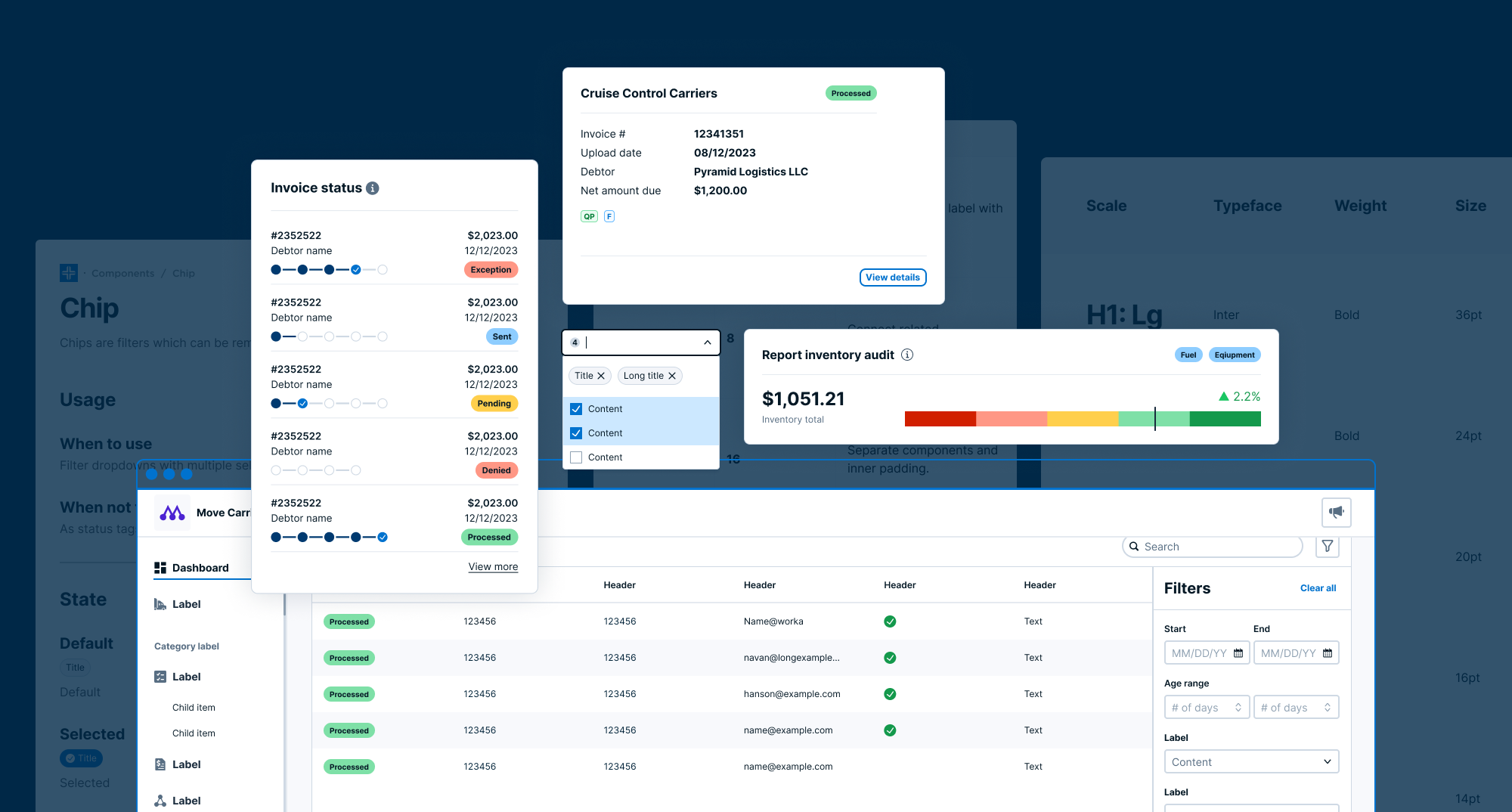
We had a product inefficiently built in various different systems with no reusable components or unified design language. In order to enhance scalability and efficiency in our product process, we were empowered to build a comprehensive design system. This collaborative effort involved our designers in crafting a unified design language and a repository of reusable atomic components.
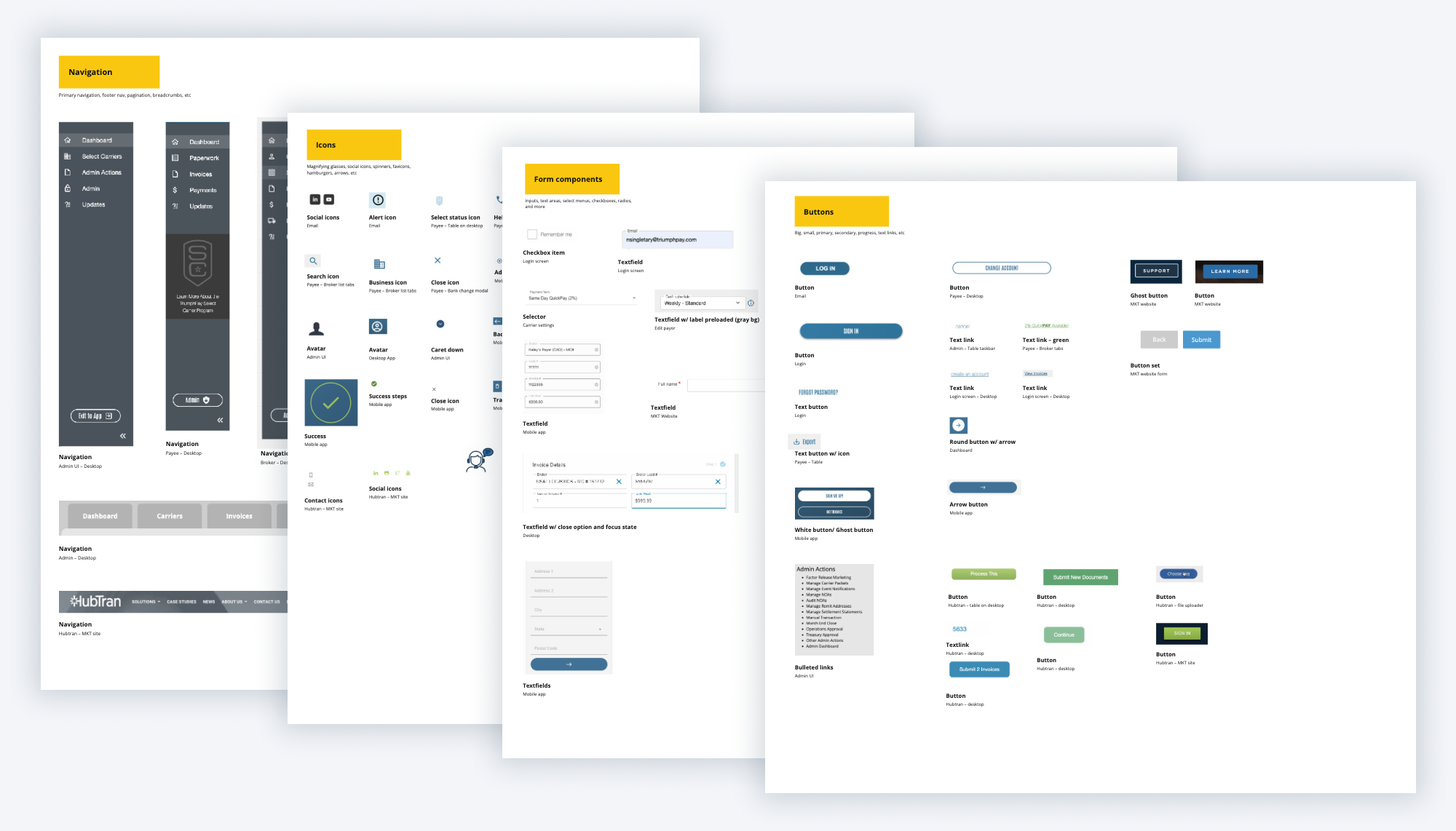
The initiative kicked off with UI inventory where we identified and deconstructed our UI components to their most elemental form. This exercise not only helped us define clear categories but also unveiled redundancies and assisted in defining what our overall taxonomy should be.
UI Inventory
UX/UI
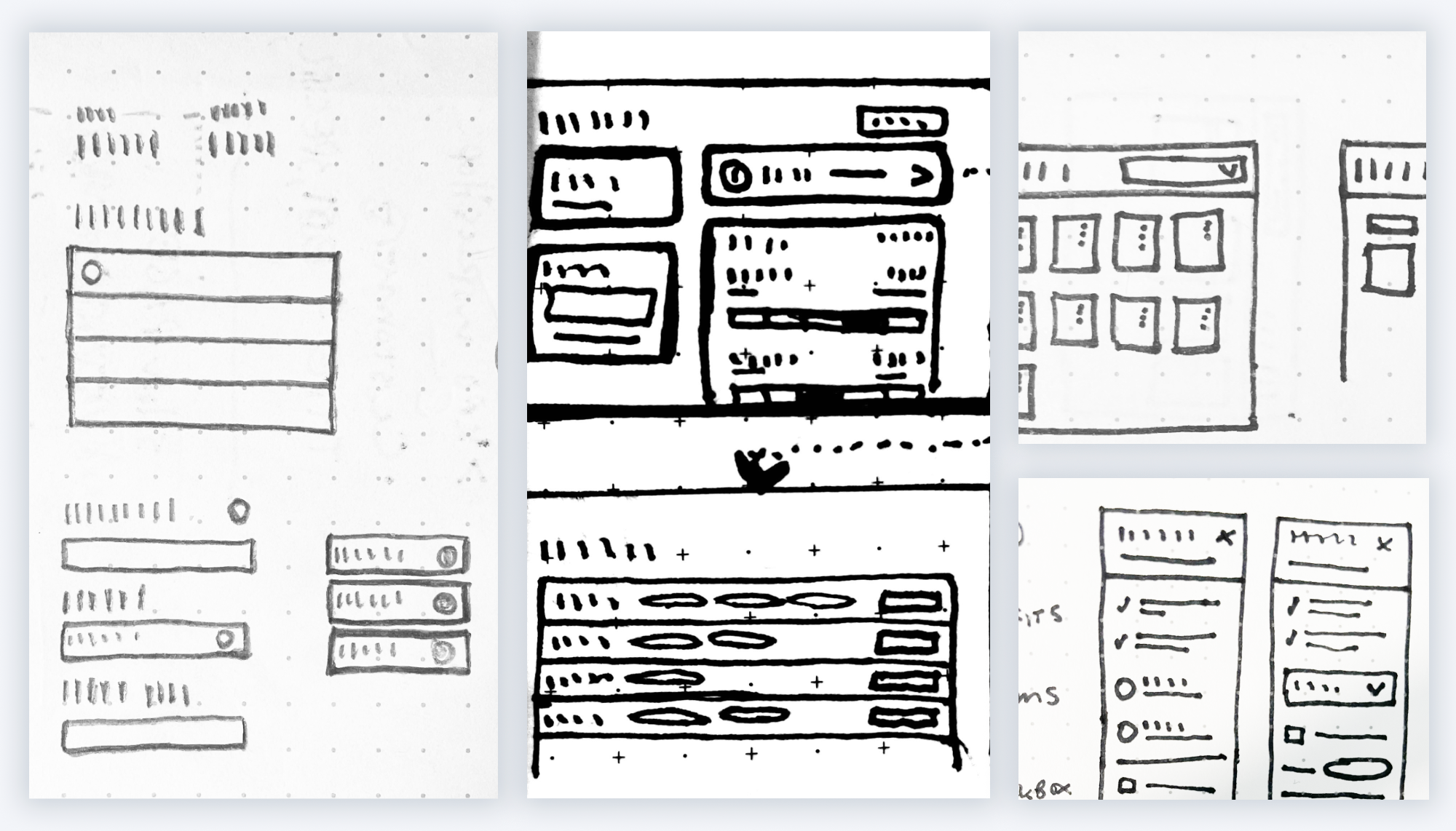
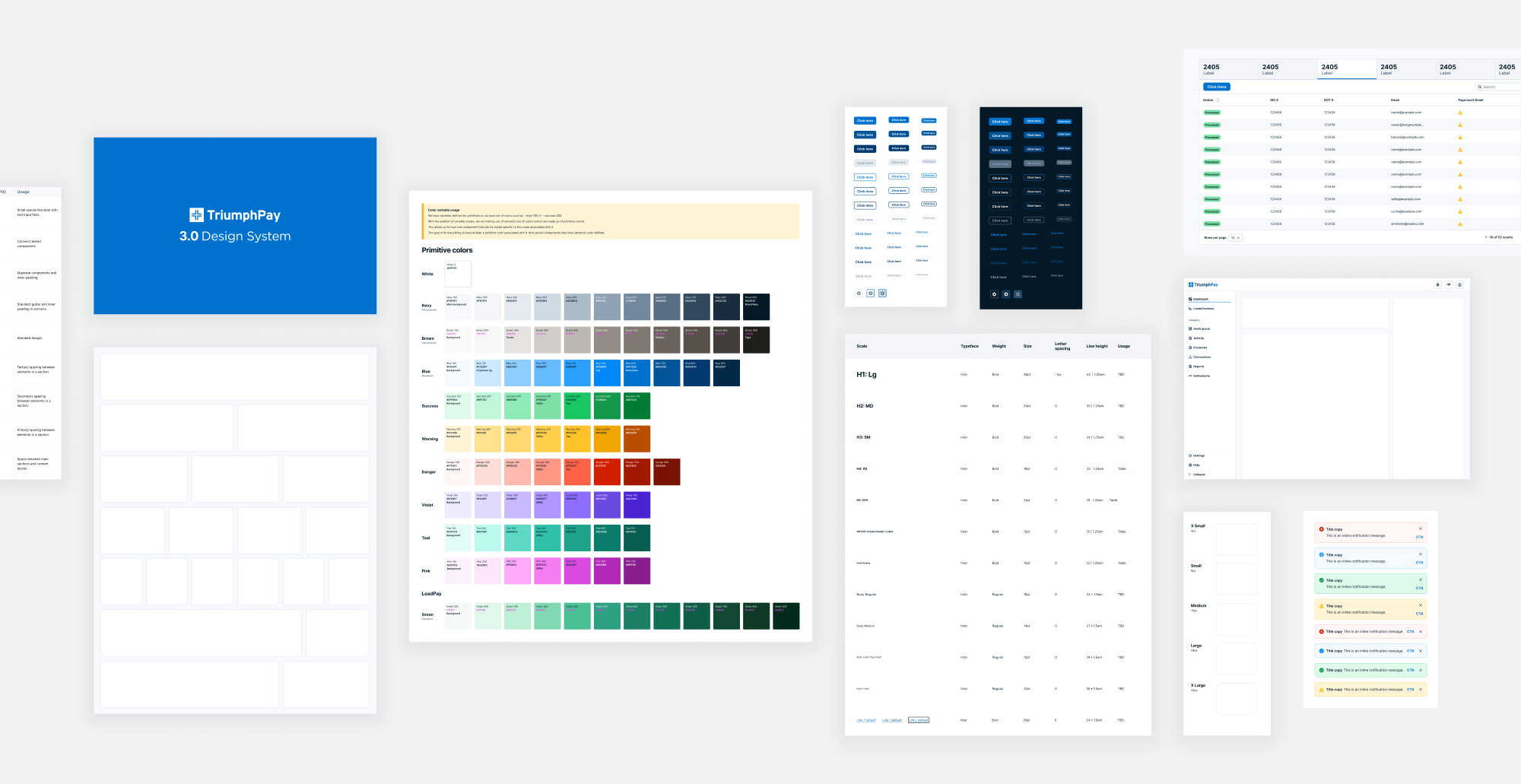
With a structured taxonomy in place, we ventured into the design phase. Various style directions were explored and through exhaustive vetting and refinement, we honed in on a design language that resonated with our vision and user needs. From there, each category or component's use case was ideated, sketched and vetted, so that we end up with a modular framework in which to build out more complex composite experiences.

Design
UX/UI
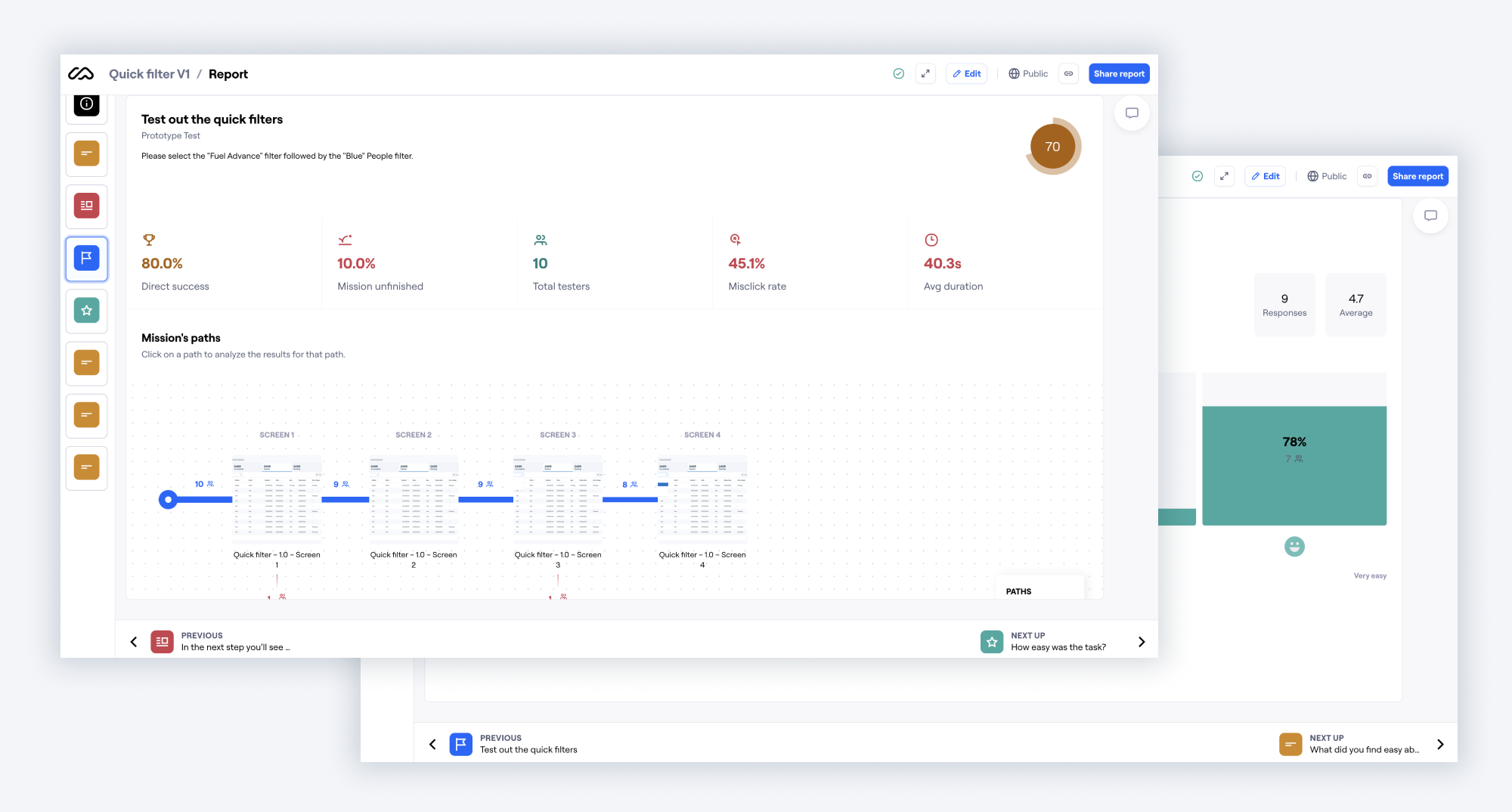
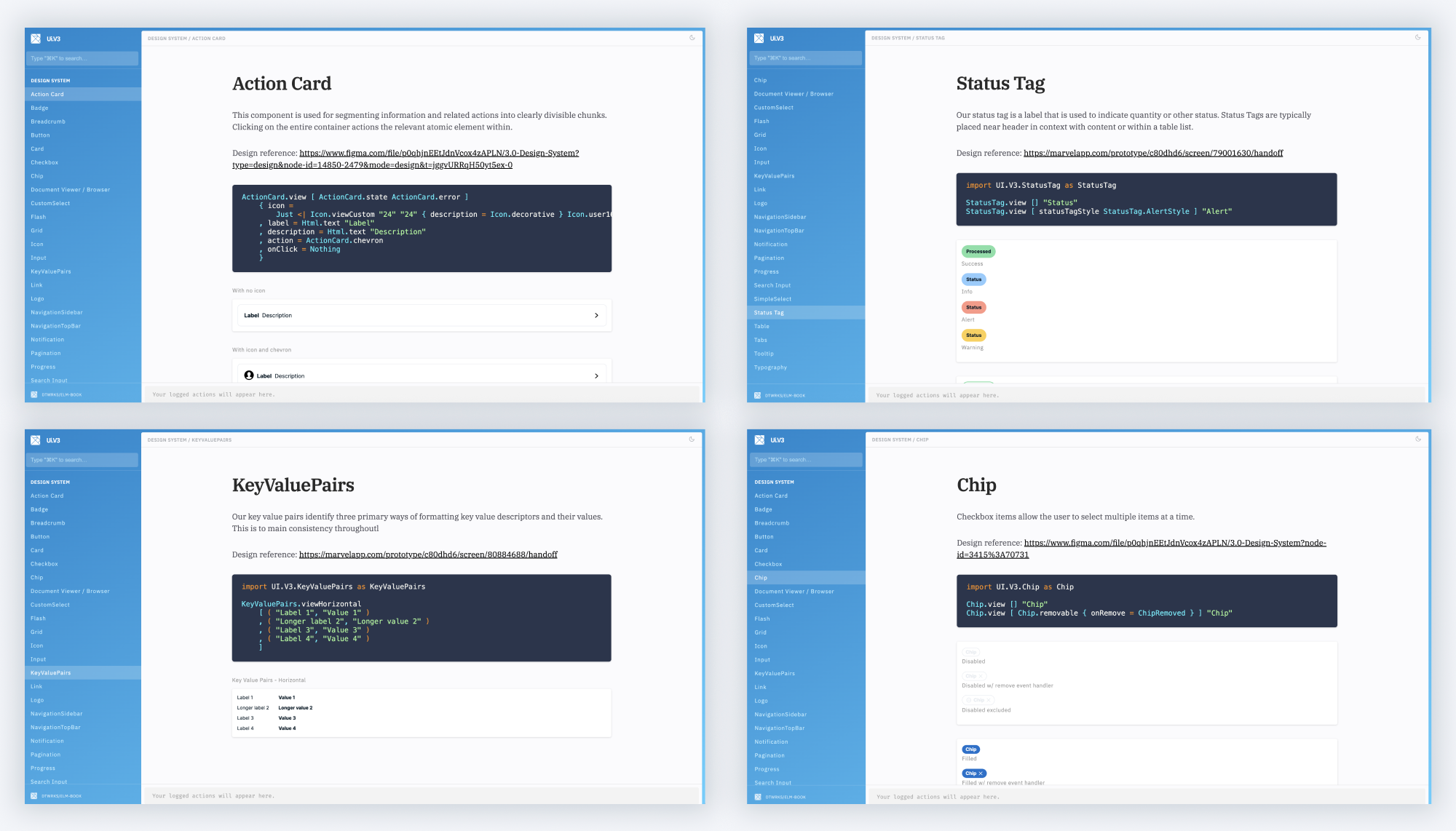
A pivotal challenge in the journey was the implementation—bridging the gap between design and development. Given our product’s developer-centric origins, fostering a collaborative spirit was paramount. We emphasized that the design system was not an overhaul but a tool for consistency and efficiency. For every build, we provided a design handoff along with peer review of our components to ensure thorough documentation and consideration of use cases. Storybook has been our choice for the live component repository, fostering continued collaboration and documentation.
Development partnership
UX/UI
The building of our design system has been transformative. It has not only streamlined our product development process but also fostered a culture of collaboration and innovation. As we continue to iterate and refine, we remain committed to harnessing the power of design to drive meaningful user experiences and propel our product toward the future.
Conclusion
UX/UI